


Wishlist
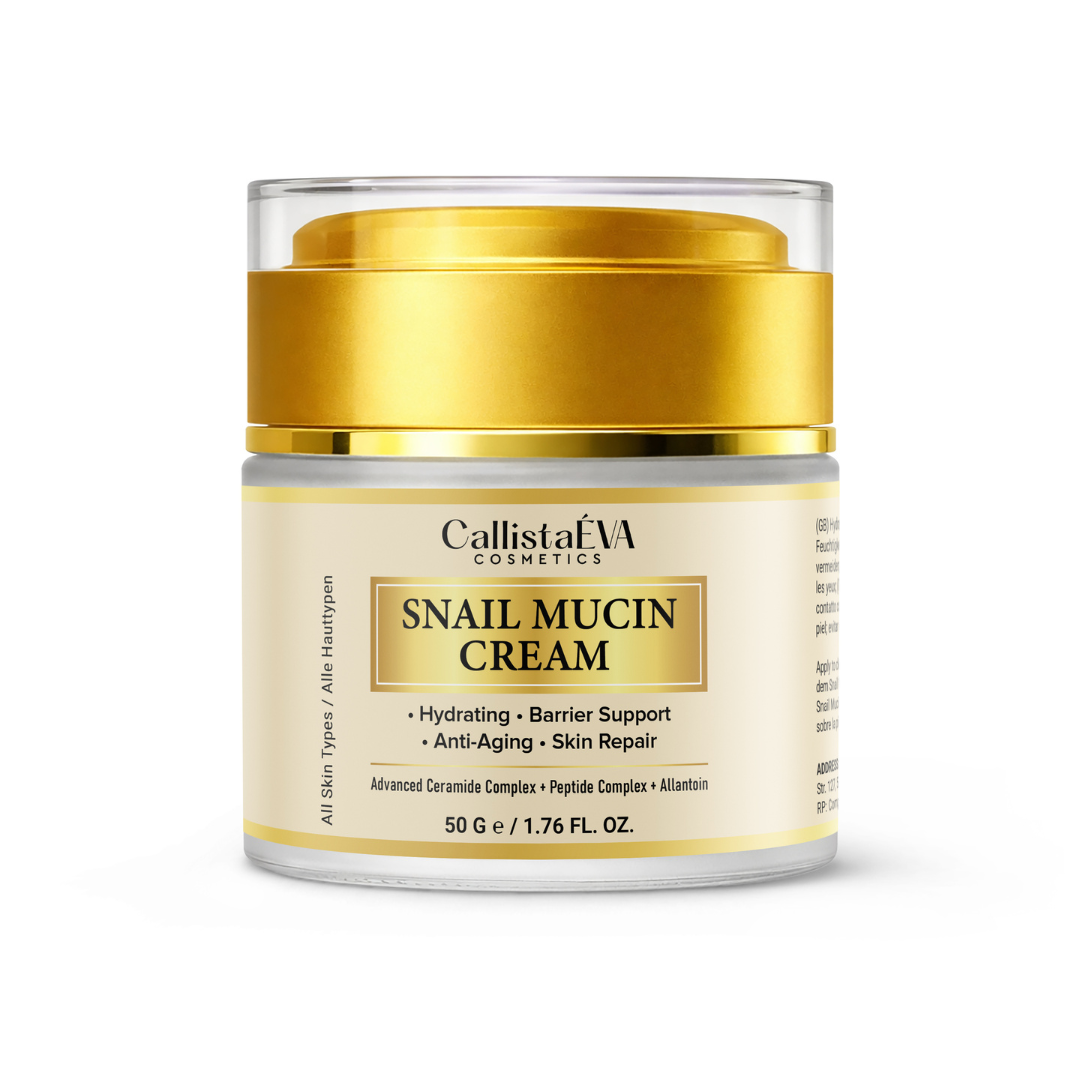


Ceramide Complex in Snail Mucin Cream: Why Your Skin Barrier Needs It
Discover why Ceramide Complex and Snail Mucin are one of skincare's most effective combinations. Learn how they work together to strengthen the skin barrier, lock in moisture, and keep your skin looking smooth, hydrated, and healthy with CallistaÉVA Snail Mucin Cream.

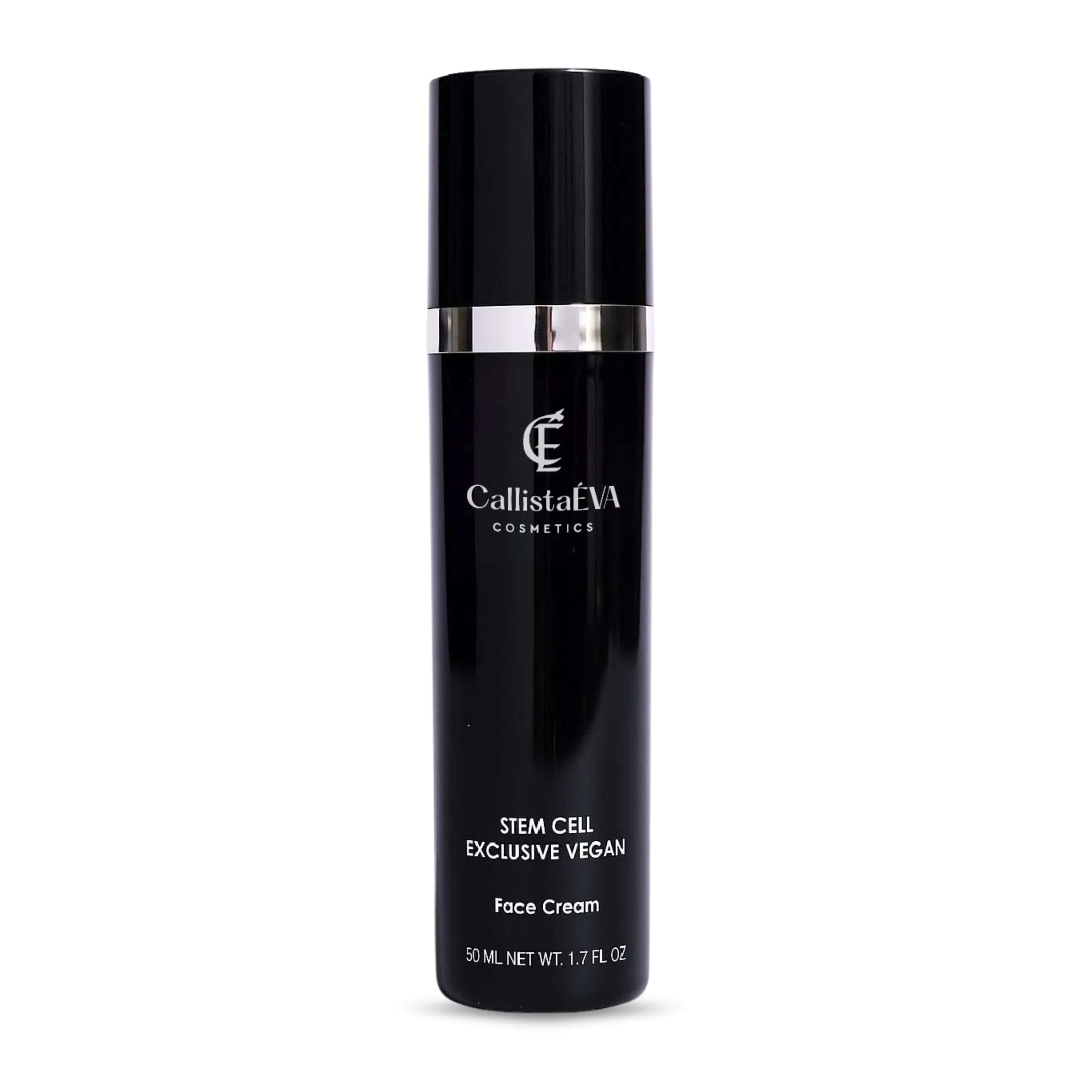
CallistaÉVA Stem Cell Ampoule: The Ultimate Solution for Healthier, Younger-Looking Skin
Discover the benefits of the CallistaÉVA Stem Cell Ampoule, expertly formulated in Germany with advanced botanical stem cell extracts and hydrating ingredients. Learn how this lightweight ampoule helps support smoother, firmer, and healthier-looking skin while strengthening the skin barrier and enhancing your natural glow.

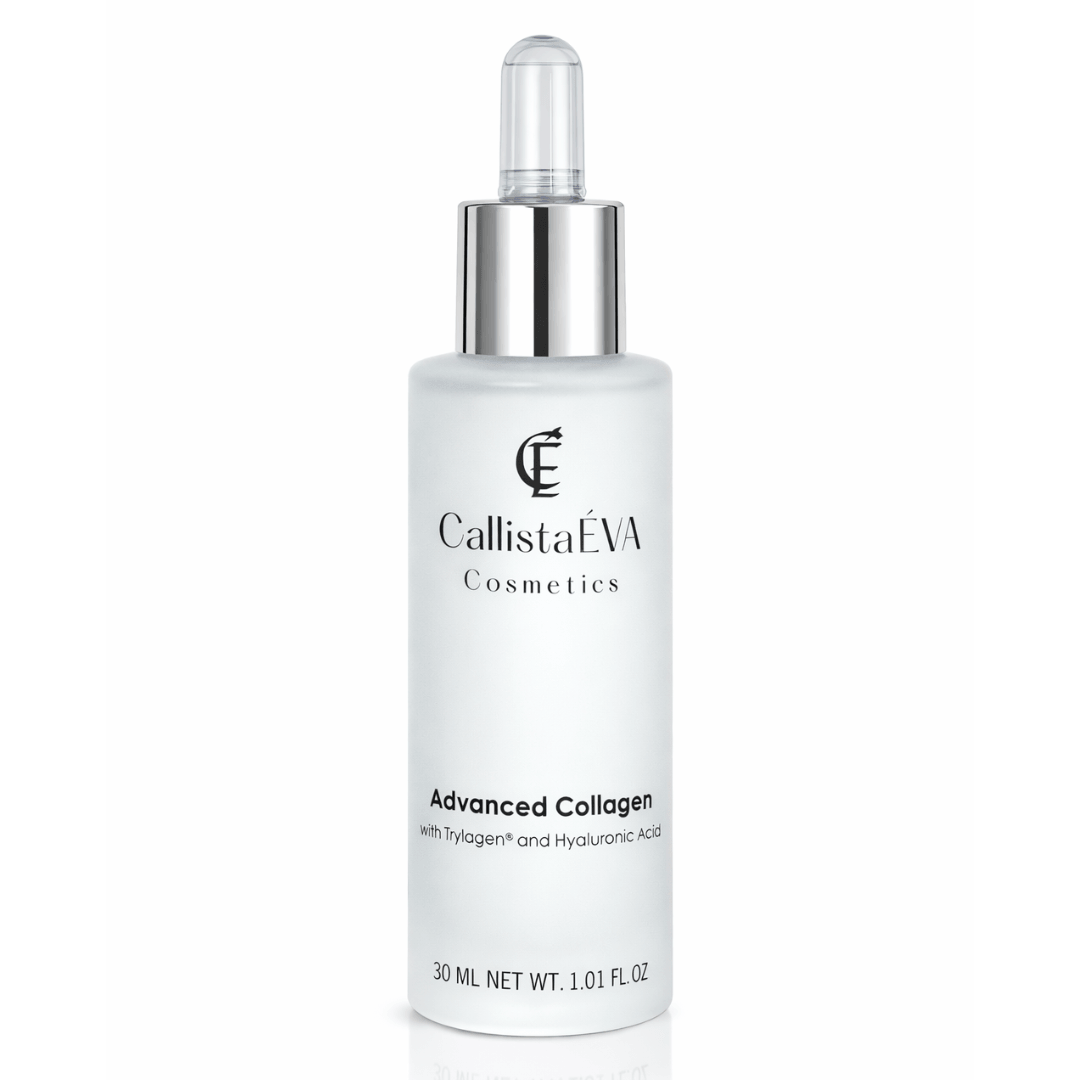
What Is Trylagen™? The Science Behind One of the Most Advanced Collagen-Supporting Ingredients in Skincare
Discover what Trylagen™ is, how it supports the skin's natural collagen network, and why it has become a key ingredient in advanced anti-ageing skincare. Learn how Trylagen™, together with Tripeptide-1, Tripeptide-10 Citrulline, Hyaluronic Acid, and Marine Ferment, helps support firmer, smoother, and more youthful-looking skin—making it an excellent addition to the skincare routine of women aged 35 to 50.

Hydrolyzed Soy Protein & Hydrolyzed Wheat Protein: Why These Ingredients Are Powerful in Peptide Serums
Hydrolyzed Soy Protein and Hydrolyzed Wheat Protein are powerful skin-conditioning ingredients that help improve hydration, softness, and overall skin feel. When combined with peptides in a well-formulated serum, they help support smoother, firmer, and healthier-looking skin.

What Is Tripeptide-10 Citrulline? The Collagen-Supporting Peptide Transforming Modern Skincare
Discover Tripeptide-10 Citrulline — the powerhouse peptide that boosts collagen, firms skin, and reduces wrinkles. Find out why it belongs in your skincare routine.

The Rise of Skin-Minimalism: Why 5-Product Routines Are the Future of Beauty in 2025
In 2025, the beauty industry is experiencing a major shift — not toward more products, but fewer. This movement, known...